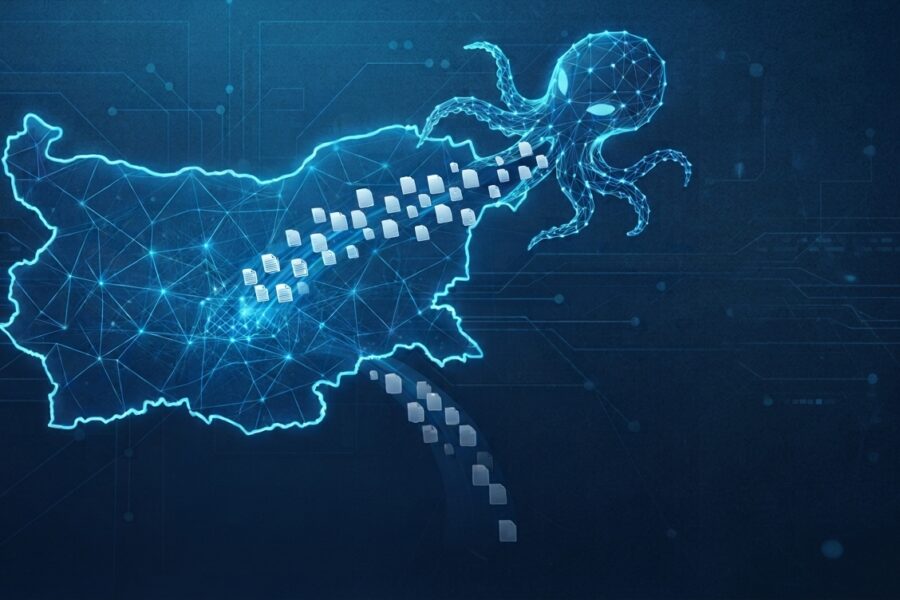
A vulnerability in Optimizely allowed attackers to distribute malware through websites belonging to 178 organizations, targeting visitors with cryptocurrency theft tools, payment card skimmers and iPhone and iPad exploits.
The attack occurred on Monday, November 16, 2026, and affected websites associated with major organizations, including Zoom, BBC, CNN, HSBC, Salesforce and IKEA. The attackers injected malicious JavaScript into customer projects on Optimizely, a platform businesses use to experiment with and customize website content.
According to reporting by Reuters, the compromised websites became delivery channels for malware without requiring attackers to directly breach each organization’s infrastructure.
Optimizely vulnerability enabled malicious script injection
Security researcher Scott Helme discovered the campaign and documented how attackers abused Optimizely’s platform to distribute malicious code through legitimate websites.
The injected JavaScript could manipulate cryptocurrency wallet addresses, replacing legitimate destinations with addresses controlled by attackers. It also collected payment card information, browser cookies and screenshots from affected pages.
Optimizely told BleepingComputer that attackers exploited a vulnerability in its account signup process, allowing them to introduce malicious scripts into customer projects.
The company subsequently patched the vulnerability, removed the malicious code and notified affected customers.
The incident demonstrates how weaknesses in a third-party service can expose multiple organizations simultaneously, even when their individual websites and infrastructure have not been directly compromised.
Coruna and DarkSword targeted Apple devices
The campaign included exploit kits specifically designed to target visitors using Apple mobile devices.
Researchers identified two exploit kits, Coruna and DarkSword, delivered through hidden webpage elements. The malware selected an exploit chain based on the visitor’s iOS version.
Coruna reportedly targeted devices running iOS 13 through iOS 17, while DarkSword was designed for iOS 18.
Investigators also discovered code targeting iOS 26, although its observed functionality appeared limited to collecting device characteristics rather than exploiting the operating system.
The attack presented a particular risk because visitors could potentially trigger malicious code simply by opening an affected website. They did not need to install an application or click a suspicious link.
However, researchers have not established whether any physical iPhones or iPads were successfully compromised during the campaign.
Apple users advised to update their devices
The incident highlights the risks of relying on third-party website services that have access to scripts running across customer websites.
Although Optimizely says it has addressed the vulnerability and removed the injected code, visitors who accessed affected websites on November 16 should remain cautious.
Apple users should install the latest available iOS and iPadOS security updates. Anyone who entered payment card information on affected websites should monitor financial transactions for suspicious activity.
Website operators using Optimizely should review their projects for unauthorized JavaScript, verify that their accounts remain secure and confirm that the malicious code has been removed.