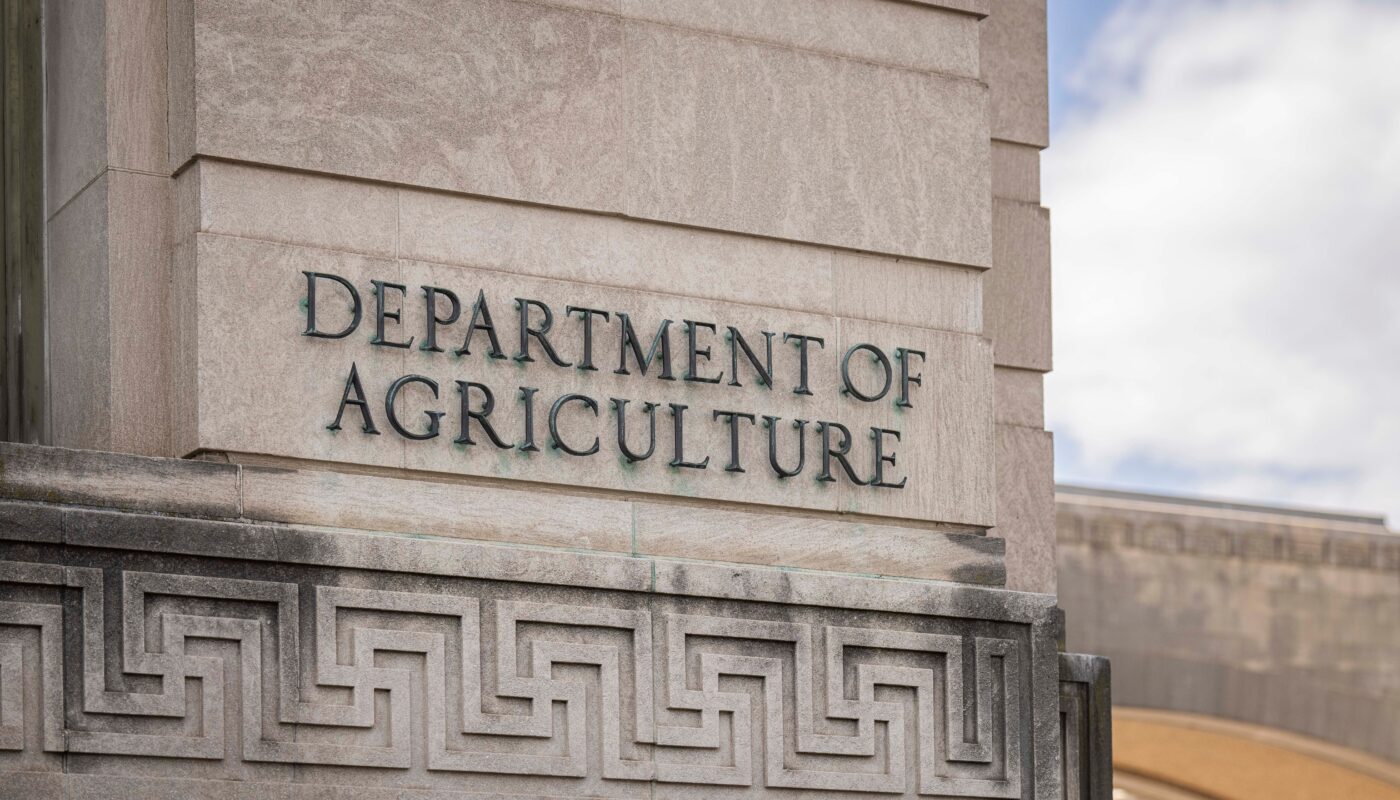
A USDA cyber incident has disrupted farmer loan and payment services in the United States after the Department of Agriculture took several applications offline following the discovery of a security threat.
The disruption affected systems used by the Farm Service Agency (FSA) and Natural Resources Conservation Service (NRCS), leaving farmers and employees struggling to access essential services. The incident comes as agricultural producers approach deadlines for enrolling in federal support programs.
The identity of the attackers, how they gained access and the full extent of the intrusion remain unknown.
An internal email sent on November 16 by Chris Rottler, acting assistant chief information officer at the Farm Production and Conservation (FPAC) Business Center, instructed employees to reset database passwords across all environments. The process also required affected applications to restart.
Farm loan and payment systems affected
Among the disrupted services were FSA loan software, the NRCS ProTracts payment system and mapping applications. Some employees also experienced difficulties connecting to the department’s virtual private network (VPN).
On November 20, FPAC Undersecretary Richard Fordyce confirmed that the disruption resulted from a cyber threat rather than a software update.
“There was no Personally Identifiable Information (PII). No data was lost because the systems that protect against cybersecurity threats worked.”
Fordyce expected most systems to resume operations by Friday evening, with recovery work potentially continuing over the weekend.
However, reports citing two former USDA officials indicated that hackers had accessed the farmer-payment system. The department has not publicly established the full extent of the unauthorized access.
The timing is particularly significant for farmers enrolling in federal assistance programs. According to the USDA’s [[Farm Service Agency programs]], enrollment for the 2026 Agriculture Risk Coverage (ARC) and Price Loss Coverage (PLC) programs closes on December 11.
Dairy producers face a separate December 18 deadline to enroll in the 2027 Dairy Margin Coverage (DMC) program, which provides protection when milk prices decline or feed costs increase.
GAO identifies cybersecurity weaknesses in agriculture
The incident has also drawn attention to broader security weaknesses across the food and agriculture sector.
A recent Government Accountability Office (GAO) report found that USDA and the Food and Drug Administration (FDA) had met most of 16 federal cybersecurity requirements. However, five requirements involving emergency preparedness and information sharing remained partially or completely unmet.
The [[GAO report]] warned that cyberattacks could disrupt equipment responsible for irrigation, fertilization and food production, potentially threatening food safety and public confidence.
It also identified shortcomings in real-time threat information sharing with the Cybersecurity and Infrastructure Security Agency (CISA).
“We also found that USDA and FDA don’t provide CISA with real-time information about threats. Having this information would help agencies to respond. As the food and agriculture sector faces increased cybersecurity risks, it is critical to ensure that the right resources are allocated to address these threats,” the agency noted.
Security experts warn about agricultural infrastructure
John Strand, Owner of Black Hills Information Security, highlighted how agriculture is frequently overlooked in discussions about critical infrastructure.
“When people think about critical infrastructure and cyberattacks, they usually think about the power grid, water treatment facilities, dams, and things of that nature. And they’re absolutely right. But what a lot of people don’t think about is farming and ranching.”
He added:
“At the end of the day, one of the most critical functions of any country is its ability to feed its citizens. Agriculture is absolutely critical infrastructure, and we need to start treating it that way.”
Seemant Sehgal, Founder and CEO of BreachLock, questioned whether the USDA adequately understood the dependencies between its systems, given that widespread password resets disrupted essential applications.
“A blanket database password reset across every environment usually means nobody could say with confidence which credentials the intruder had touched. When one reset can take down farm loan and crop insurance payments, the dependencies between those systems were never mapped well enough to be changed safely. GAO’s findings on missed emergency exercises suggest these agencies are learning how their systems fail while they are failing, and farmers waiting on payments cover the cost of that education.”
Joshua Marpet, Senior Product Security Consultant at Finite State, emphasized the importance of meeting basic cybersecurity requirements to maintain adequate protection.
“Requirements are just that. They are the minimum requirements to not get hacked, to be at least marginally secure, to be harder to reach, and harder to break into. Not impossible, mind you. Just harder. When requirements aren’t met, then the safety margin is reduced. When people’s farm loans and personal data are at risk, reducing that safety margin seems like a bad idea.”
The USDA incident highlights the importance of protecting agricultural systems alongside other critical infrastructure. Organizations responsible for agricultural services should strengthen access controls, test incident response procedures and improve threat information sharing to reduce the risk of future disruptions.