A security vulnerability at Latvian telecommunications provider CSCTelecom exposed more than 125 million SMS messages associated with banks, airlines, retailers and government services across the Baltic states, prompting several organizations to investigate potential customer exposure. The exposed database contained messages dating from October 20, 2022, to September 2026.
According to an investigation by Cybernews, the records included phone numbers, authentication codes, password reset links, banking notifications, medical information and travel details.
Cybernews researchers discovered the publicly accessible ClickHouse database on September 28, 2026. The database was also receiving new messages in real time, creating the possibility that someone monitoring it could obtain authentication codes shortly after they were generated.
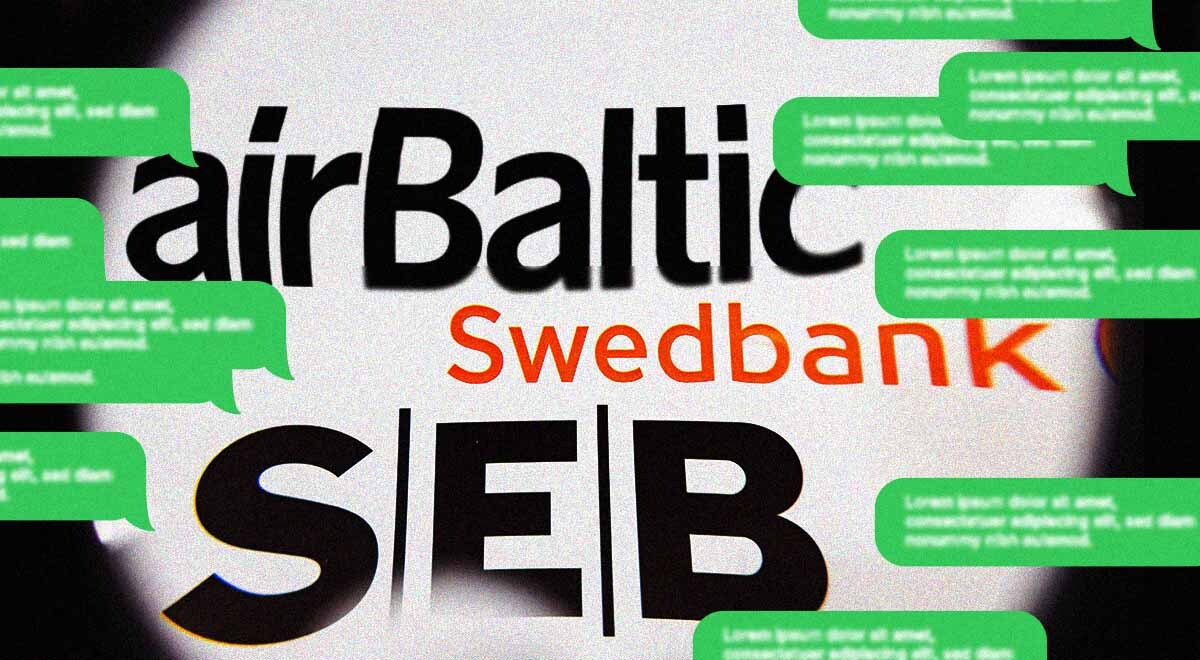
The affected organizations included Swedbank, SEB Latvia, airBaltic, Porsche, ERGO and several retailers operating in Latvia, Lithuania and Estonia.
Banking and airline customers face potential exposure
The exposed banking notifications contained sensitive financial information. Messages associated with Swedbank reportedly included account IBAN numbers, transaction amounts, recipients, remaining balances and phone numbers.
SEB Latvia confirmed that it used CSCTelecom to a limited extent for marketing communications related to pension funds. The bank said it used other communication channels for sensitive customer information and had not received notification of the incident from CSCTelecom.
Swedbank said it had launched an investigation and suspended its use of the telecommunications provider.
The bank also requested information to establish the incident’s scope and potential impact on customers, advising them to remain cautious about suspicious messages, calls and emails requesting sensitive information.
AirBaltic also initiated an assessment in cooperation with CSCTelecom. The airline said it was too early to determine how many customers might have been affected.
Other organizations, including Artea Life Insurance and PerlasGo, also reported assessing the situation.
CSCTelecom acknowledges security vulnerability
CSCTelecom confirmed that a security vulnerability had been identified in one of its information systems.
The company said it immediately addressed the vulnerability and launched an investigation into the incident.
It also reported cooperating with CERT.LV and cybersecurity experts while conducting additional security audits and monitoring.
According to CSCTelecom, its preliminary investigation found no evidence that data had been downloaded from its systems. However, the exposed database contained records spanning nearly four years.
The distinction is important: although researchers confirmed that the database was publicly accessible, there is currently no evidence establishing that malicious actors accessed or downloaded its contents.
Exposed authentication messages increase security concerns
The exposure created risks beyond the disclosure of ordinary text messages.
Authentication codes and password reset links could potentially have allowed someone monitoring the database to attempt account takeovers before legitimate recipients used the messages.
The historical records also contained information that could support targeted phishing and social engineering attacks, including customers’ banking relationships, travel details and purchasing activity.
Organizations using third-party SMS providers should review their suppliers’ security controls, investigate potentially exposed communications and consider replacing SMS-based authentication with stronger alternatives where available.
Customers should monitor financial accounts, avoid sharing authentication codes and treat unexpected messages requesting personal information with caution.
Source: cybernews.com